Technology
Regenerative braking, explained without the jargon
April 28, 2026 · 4 min read
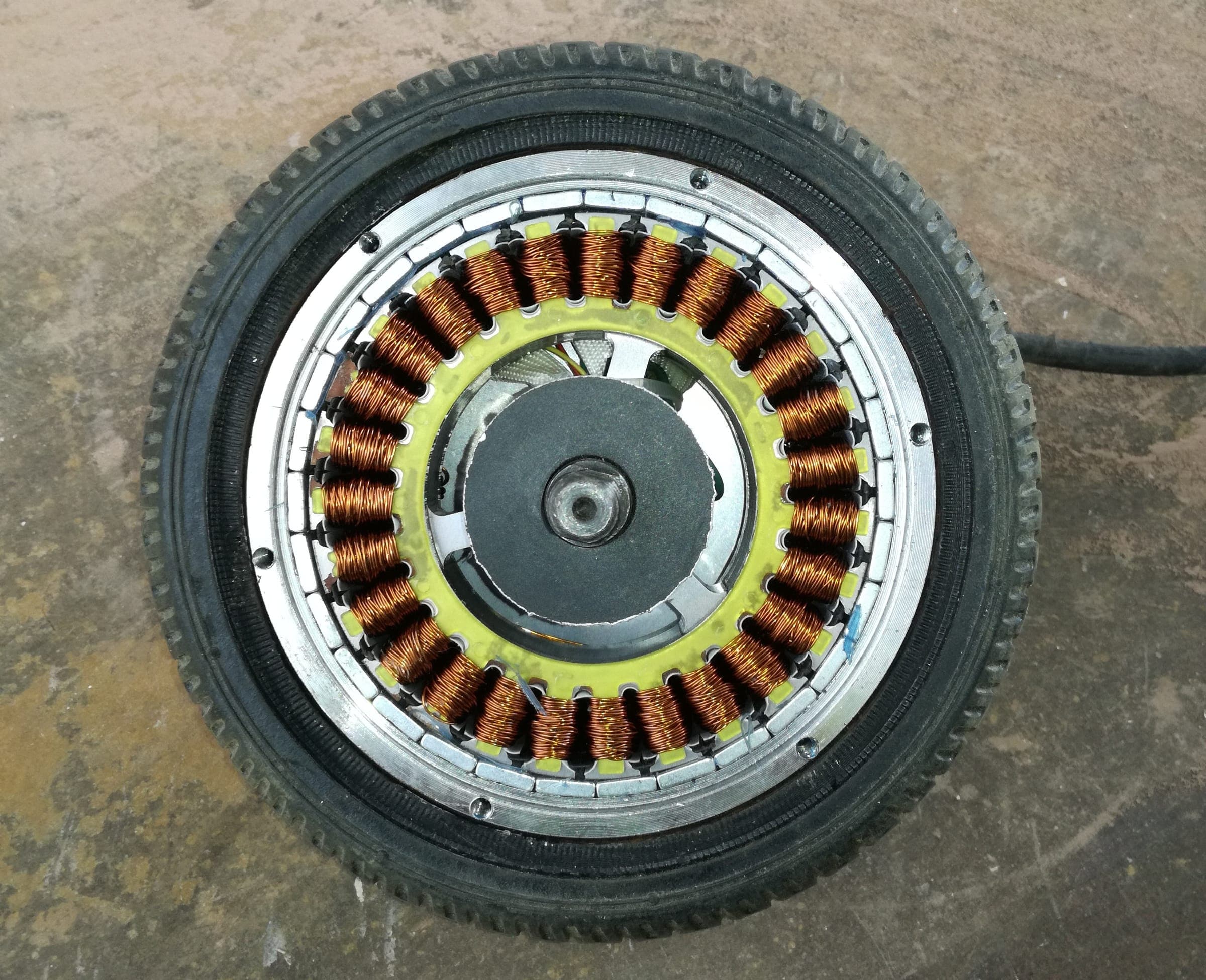
A traditional brake turns motion into heat, and that energy is gone for good. A regenerative brake turns motion into electricity instead, briefly running the motor in reverse as a generator to feed charge back into the battery.
It's not going to double your range — on a typical stop-start city commute, regen recovers a modest single-digit percentage of a charge. But over months of daily riding, that adds up to real charging cycles saved.
The more immediate benefit is wear: less mechanical braking means less pad and rotor wear, which is part of why SARAZ brake components are rated for tens of thousands of kilometers between replacements.
You'll feel it as a light, adjustable drag when you ease off the throttle — tunable in the companion app so it feels like an extension of your riding style, not a fight against it.